
Emergency Plumbing Leads: What Your Website Must Do After Hours
It is 10:47 at night. A pipe bursts. The homeowner does not want to read an article about the history of plumbing. They want a plumber. Now. Emergency…
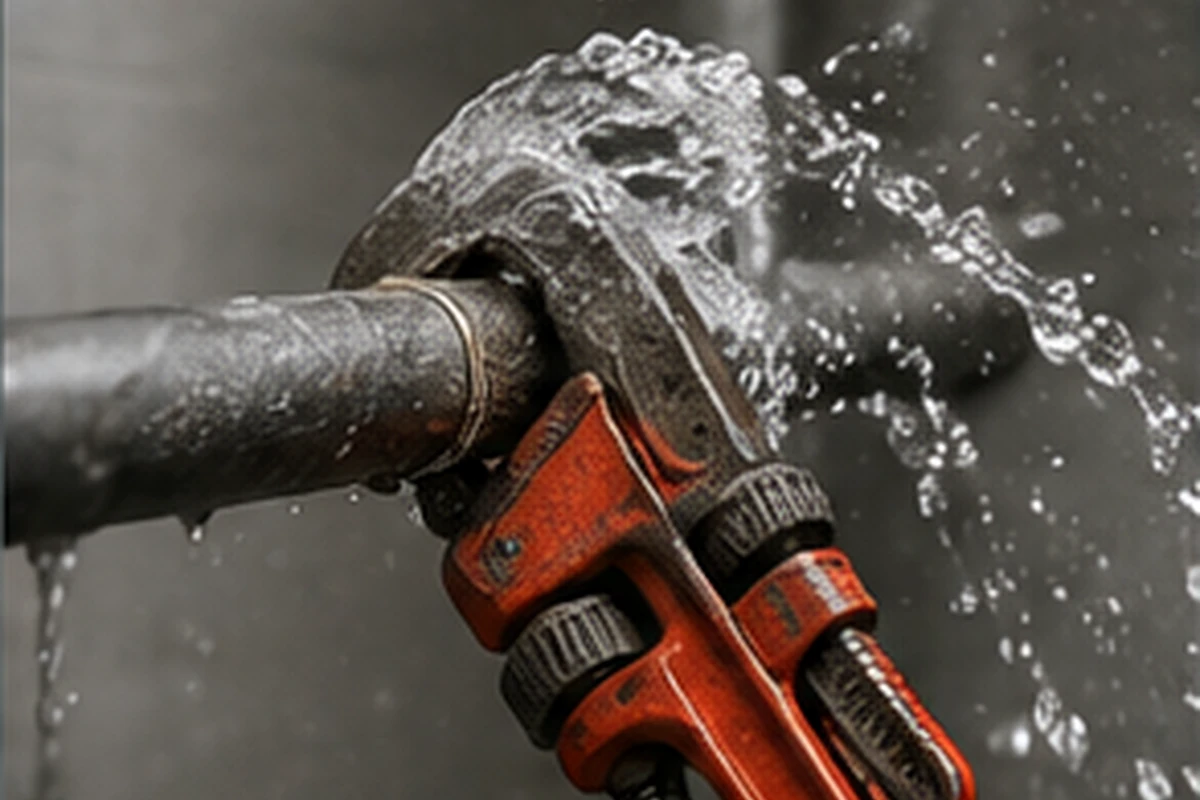
It is 10:47 at night.
A pipe bursts.
The homeowner does not want to read an article about the history of plumbing.
They want a plumber.
Now.
Emergency searches create a completely different customer journey from someone planning a bathroom renovation three months in advance.
If you offer emergency plumbing services, your website needs to recognise that.
First, only advertise emergency service if you actually provide it
This sounds obvious, but it matters.
“24/7 emergency plumber” is a valuable phrase, which makes it tempting marketing copy.
But if nobody answers the telephone after 17:00, advertising 24-hour service damages trust.
Be accurate.
If your emergency hours are 06:00 to 22:00, say so.
If emergency service is available only in certain areas, explain that too.
Customers are far more likely to trust clear information than an impressive claim that turns out not to be true.
Put the emergency contact action near the top
An emergency customer should not have to scroll through your entire company history before discovering a telephone number.
Place the important action where people can see it.
For example:
Emergency plumbing in Ceres and surrounding areas
Burst pipe, major leak or blocked drain?
Call Now
Simple wins.
Make the phone number clickable
This is one of those small website details that becomes extremely important.
On mobile, tapping the telephone number should start a call.
The customer should not have to memorise it, highlight it, copy it, open the phone app and paste it.
Every unnecessary step increases the chance that they leave and call somebody else.
WhatsApp can work brilliantly
For South African plumbing businesses, WhatsApp can be particularly useful.
It gives customers an immediate way to contact you without filling in a form.
It also lets them send photographs or videos.
A simple message such as:
Please send us a photo of the problem and your location.
can give you useful information before you even leave.
You may be able to identify the likely problem, bring the correct parts or at least know what you are walking into.
Explain your service area
Emergency call-outs are particularly sensitive to distance.
Someone searching from Worcester needs to know whether the plumber they have found in Ceres actually travels there.
List your normal service areas clearly.
For example:
- Ceres
- Wolseley
- Tulbagh
- Worcester
- Surrounding farms and rural areas
Only list areas you genuinely service.
This helps customers decide quickly whether contacting you makes sense.
Tell customers what information you need
An emergency enquiry becomes easier to handle if the customer gives you useful information.
You might ask for:
- Their name
- Location
- Nature of the problem
- A photograph or short video
- Whether the main water supply has been shut off
But keep it simple.
Emergency customers do not want to complete a lengthy application form.
Your Google listing and website should agree
Imagine finding a plumber on Google that says:
Open 24 hours
You click through to the website.
The website says:
Monday to Friday, 08:00 to 17:00
Now what?
Conflicting information creates hesitation.
Your business hours, contact details and service information should be consistent wherever customers find you.
What if you do not offer emergency plumbing?
That is completely fine.
Your website can still manage expectations.
You might say:
Enquiries received after hours will be attended to from 08:00 the following business day.
That is considerably better than leaving customers wondering whether anybody received their message.
Emergency plumbing is really a conversion problem
Appearing in search results is useful.
Getting website traffic is useful.
But an emergency plumbing customer is ultimately looking for one thing:
A fast route to somebody who can help.
Every unnecessary obstacle between the search and the call works against you.
If emergency and call-out work forms an important part of your plumbing business, your website should be designed around that behaviour.
You can see how Witzenberg Online approaches websites specifically for plumbing businesses here:
When someone urgently needs a plumber, your website should not make them think.
It should make it easy to call.

Build a website that works as hard as your business does.
Professional web design, practical digital support and a clearer path from online attention to real enquiries.

How South African small businesses can compete online
How South African Small Businesses Can Compete Online South African small businesses often compete against companies with bigger…
Read article
Website and Social Media Tips for Local Service Businesses: 10 Ways to Get More Enquiries
For a local service business, having a website and a Facebook or Instagram page is no longer enough.…
Read articleHow much does a small business website cost in South Africa?
How Much Does a Small Business Website Cost in South Africa? If you have started asking for website…
Read article